Heatwave
Why a wave?

London is a trifle warm at the moment. I have developed an intense fellow-feeling and camaraderie with the contents of a slow-cooker, or indeed an air-fryer. The sun shines down and warms the earth.
More precisely it warms the very top layer of the earth, just the top inch of so. But then that top inch will slowly warm the inch below it, and then the inch below will heat up, and so the heat travels downwards very, very, very, very slowly.
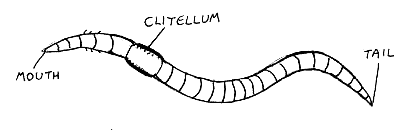
It takes about six months for the heat to descend six feet. So if you are a little earthworm wriggling around at about the level of a grave (and who is to say you are not?), then you are currently in midwinter. The wave of cold from last December has finally crept down to you.
The surface temperatures that are making Londoners melt and moan today won’t hit you until sometime around Christmas.
The heat travels down in waves.
And that is the original meaning of the term heatwave.
It was first recorded in the Proceedings of the Geological Society in 1842.
Then the meaning of heatwave shifted to a wave of hot (or cold) weather passing across the country or continent. What weather forecasters would now call a warm front. Before railways and the telegraph you couldn’t really have known that such things existed. But now you could mark the warm weather moving across a map.
And then, by the 1920s, heatwave started to just mean a prolonged period of too much heat and too few showers, which makes the “wave” bit seem rather mysterious.
And the original heatwave that chills the poor earthworm? It’s now called a thermal wave phase lag, which is less catchy.