The Sentimental (and how to write it)
A theory of transferred emotion

I’m a sentimental sort of fellow. My flat is filled with bits and bobs and knick-knacks and trinkets that mean something to me, even if they mean nothing to anybody else. They bring a tear to the eye, and lump to the throat, and the elevation of wistful eyebrow.
I am quite capable of reading the death of Little Nell without laughing.
I’ve therefore spent many an hour wondering exactly what “sentimental” means, not in an etymological sort of way — that’s just from Latin sentire, to feel — but what we mean when we say that a book is terribly sentimental, or that something has sentimental value.
I shall start with a conclusion. The sentimental is about the transfer of intense affection from one thing to another.
This is most obvious with objects. I have a green mug that my dear old granny bought for me in a shop in Derby on the last day that I saw her alive. I was about to go to university, and she thought I ought to have a mug. She died in my first term and the mug now sits on a high shelf, much too valuable to ever be used or sullied with actual tea.
This is the simple transference of my affection for my grandmother to a green mug. The emotion felt for a person is now felt for an object.
This is particularly true of objects related to people who have died, because, of course, you can’t be affectionate towards the actual person any more. But it can also be true of an object related to a living person. Something that reminds you of them, or of a moment, or of a smile.
Importantly, you are not sentimental about an actual person (except in some rare cases that I’ll come to), the sentimental feeling is distinctive because it has been transferred to something else. To a thing, to a place, to a song.
And I think this is the secret to what we call sentimental writing: novels, films, songs. Sentimental is almost always used a derogatory term when it comes to literature. “That film was too sentimental for me”. “Cloyingly sentimental” is a cliché, but it’s a cliché for a reason.
Sentimental literature takes a feeling that the audience already has and transfers it to a fictional character.
For example, we are almost all very fond of little children. It’s pretty much an evolutionary imperative that we should be. We see a wide-eyed child gazing up at us, and we feel protective and affectionate.
So all an author needs to do is sketch, however lazily, a sweet little child, and they can guarantee that 99% of their audience will bring to that character their already-formed feelings of affection.
The same goes for little puppies and dying mummies, and thoughts of home and Christmas.
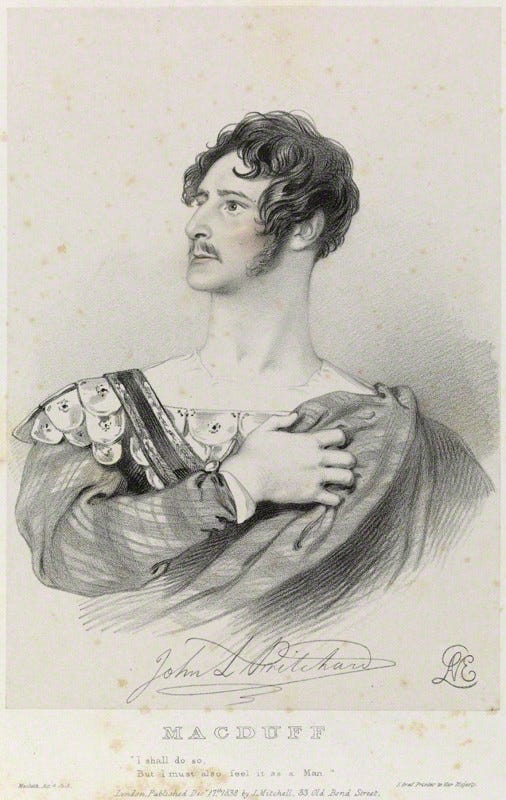
It’s a short-cut, and short-cuts are not necessarily bad. There’s a wonderful line in Macbeth. Macduff is told that his family have been murdered, and that he must now take ferocious revenge.
MACDUFF
My children too?
ROSS
Wife, children, servants, all
That could be found.
MACDUFF
And I must be from thence!
My wife kill’d too?
ROSS
I have said.
MALCOLM
Be comforted:
Let’s make us medicines of our great revenge,
To cure this deadly grief.
MACDUFF
He has no children. All my pretty ones?
Did you say all? O hell-kite! All?
What, all my pretty chickens and their dam
At one fell swoop?
MALCOLM
Dispute it like a man.
MACDUFF
I shall do so;
But I must also feel it as a man:
I cannot but remember such things were,
That were most precious to me.
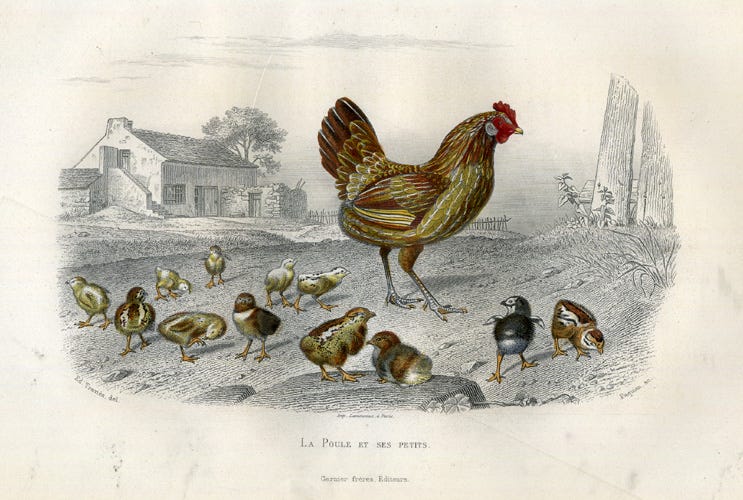
The most famous line there is “At one fell swoop”, which has entered the language. But the most brilliant line, I think, is “All my pretty chickens and their dam”.
It’s the perfect sentimental line. It takes our love of children and of mothers and of little fluffy chicks — all feelings that we had already — and scrunches them into one pained pentameter. All our emotions paternal and protective are suddenly transferred to characters in the play. That Macduff’s wife and children are pretty minor characters doesn’t matter at all, because they are evoked with such major sentimental feelings.
But that’s just one line. Nobody would call Macbeth a sentimental play as a whole. The sentimental is confined to one line, which makes it absolutely fine. Sentimentality only goes wrong if there’s too much of it.
That’s where the whole idea of cloying sentimentality comes in. If a work is constructed only of such transferred emotions it becomes too much, and it becomes weak.
When I was writing my book Rhyme & Reason about the history of popular English poetry, I came across George Simms. He wrote spectacularly sentimental narrative poetry for the late Victorians. His poem The Road to Heaven is well worth a read just so that you can say that you’ve experienced sentimentality at its height. It has everything: an wide-eyed street urchin dying on Christmas day having sung a Christmas carol.
One was singing the carol, when the other, with big round eyes—
It was Mike looked up in wonder, and said, ”Jack, when we dies,
Is that the place as we goes to—that place where ye’re dressed in white,
And has golden ’arps to play on, and it’s warm and jolly and bright?
Simms almost gets away with it, but only because the poem is so short.
Sentimental writing is a writing of gesture. You gesture to a deep, pre-existent, ubiquitous human affection and you get it easily. You pick the reader’s pocket, you pick the reader’s heart. But you have to do it quickly. Sentimental writing, like pickpocketing depends upon speed, and then walking away as though nothing has happened.
The sentimental writer no more deserves the audience’s emotions than that green mug my granny gave me deserves my affection. But I love that green mug. I’m sentimental about it.
I said at the beginning that it’s rare to be sentimental about a person. I think this is true. The only way you can really be sentimental about a human, is when you are transferring to them the affection that you felt for something else. For example, you might be sentimental about an old teacher of yours, if you loved your schooldays.
A person who stands for part of your life can be viewed sentimentally. You might be sentimental about your granny’s friend by transference. But you actually loved your granny.